The Youth IGF India Fellowship 2026 brings together young individuals from diverse academic and professional backgrounds to engage in discussions, learning, and collaboration on issues related to technology, governance, and society. This page introduces the cohort and showcases their backgrounds, interests, and areas of work.

Abhu Nirek
Cyril Shroff Centre for AI, Law and Regulation
Abhu Nirek is a final-year law student at Jindal Global Law School. His work sits at the intersection of technology law, digital rights, and internet governance, shaped by research and legal experience across civil society organisations, parliamentary offices, law firms, and academic research centres.
He has worked across civil society, parliament, judiciary, and law firm settings, researching internet shutdowns, drafting AI governance policy recommendations, advising on platform compliance, and completing a judicial internship at the Delhi High Court. He currently serves as a research assistant at the Cyril Shroff Centre for AI, Law and Regulation, and is an APIGA India Fellow.
Abhu’s engagement with internet governance is rooted in a conviction that the decisions made in policy and technical forums have consequences that reach far beyond the rooms where they are made. Coming from a small town, he has seen firsthand how unequally the benefits and harms of digital infrastructure are distributed across geography, literacy, and access. That perspective has shaped his research interests in freedom of expression, state surveillance, platform governance, and the gap between what regulatory frameworks promise and what they deliver in practice.
As a Youth IGF India Fellow 2026, he hopes to bring a legal and policy perspective into cross-stakeholder dialogue and to contribute toward a more rights-centric and inclusive approach to India’s digital future.
Akansha Kokash
NMIMS Kirit P. Mehta School of Law
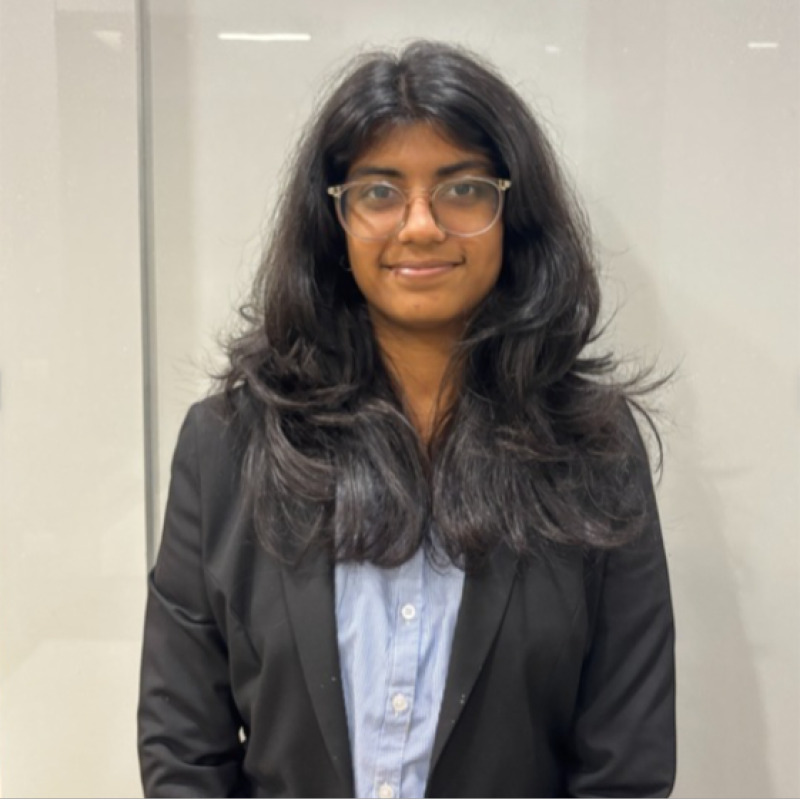
Akansha Kokash is a second-year BBA LLB student at NMIMS Kirit P. Mehta School of Law, Mumbai, with an interdisciplinary interest in technology law, digital rights and internet governance. She has been a part of ISOC India Mumbai Chapter since 2023 and has worked with a civic governance NGO, where she witnessed firsthand how policy decisions shape communities at the ground level.
That NGO work sharpened a specific observation that policy as it is designed and policy as it is experienced on the ground are often two different things, and the people most affected by a decision rarely have any real part in making it. Internet policy decisions have consequences that reach far beyond technical forums, particularly for young people who are shaped by digital spaces before they have the tools to understand them. That gap is what brought her to internet governance, and what keeps her here.
As a YIGF India Fellow 2026, she hopes to deepen her understanding of how these decisions actually get made, and bring back insights grounded in legal thinking, contributing toward a more inclusive and people-centric digital future for India.
Ankit Singh
Saptkrishi
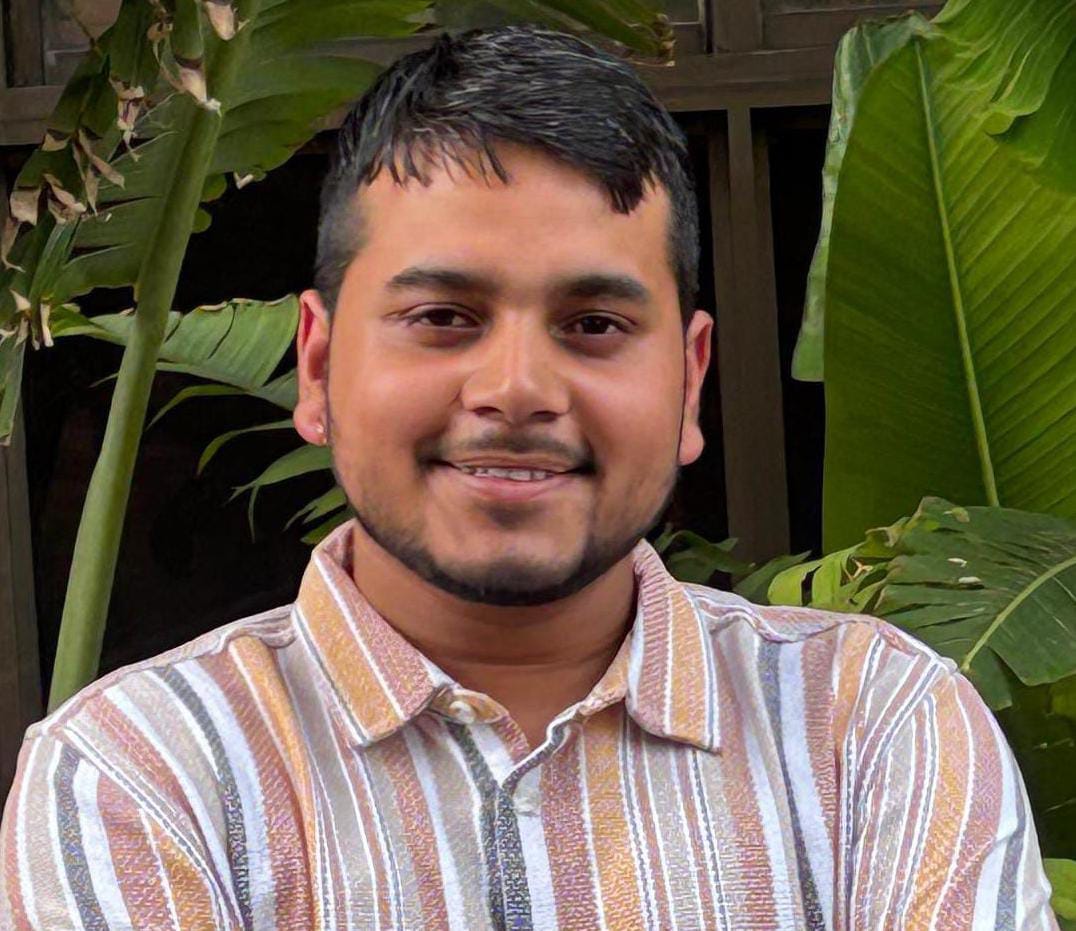
Ankit Kumar Singh is a policy innovator at the intersection of indigenous knowledge systems, digital inclusion, and dignified livelihoods. Program & Strategy Consultant at Saptkrishi; MA Public Policy student, BML Munjal University; active fellow, New Roots Institute.
Rank 1, Global Peter Drucker Challenge 2026 Professional Grade (Vienna Forum); Rank 1, APJ Abdul Kalam Young Research Fellowship; Rank 1, UNDP BHR Asia-Pacific Regional Forum—Human Rights and Technology (Bangkok, 2025) on gig-economy worker dignity; Honorable Proposal, Global Development Public Policy Youth Innovation Contest (Renmin University) for “When the Language Dies, the People Die: A Community-Sovereign AI Policy Framework for Protecting Tribal Cultural Diversity in Displacement Zones”; LPYDC Paris Top 12 from 3,200 submissions across 119 countries.
Co-founder, Project Samman (circular economy grounded in Dignity Variable framework: Purchase Likelihood = Affordability × Dignity). 90+ days embedded fieldwork with Munda, Ho, and Santhal communities in Jharkhand. At IGF India, contributing to last-mile technology access conversations in rural India.

Ankush Rai
PLR Chambers
Ankush Rai is a practising lawyer based in Delhi, specialising in the intersection of law and technology. He currently works in the Technology, Media and Telecommunications team of PLR Chambers. He completed his BA.LLB (Hons.) from NALSAR University of Law, Hyderabad.
His expertise extends across diverse fields of technology law such as AI regulation, intermediary liability, telecommunications licensing and online gaming. He has provided strategic counsel to major foreign and domestic tech companies on compliance with the Information Technology Act 2000, the Telecommunications Act 2023, the Promotion and Regulation of Online Gaming Act, 2025, and the upcoming Digital Personal Data Protection Act 2023 (DPDP Act 2023). He has worked with the various ministries of the Central Govt on a variety of issues, including working with the Union Ministry of Road Transport and Highways on their data sharing policy and ensuring its compliance with the DPDP Act 2023.
During his time at NALSAR Hyderabad, he was part of the Technology Law Forum @ NALSAR wherein he conducted guest lectures, panel discussions, and movie screenings on various issues concerning technology law. He has also published several articles and been part of round table discussions on issues such as – data protection, privacy, and constitutional law.
Anshika Verma
Bihar Rural Livelihoods Promotion Society
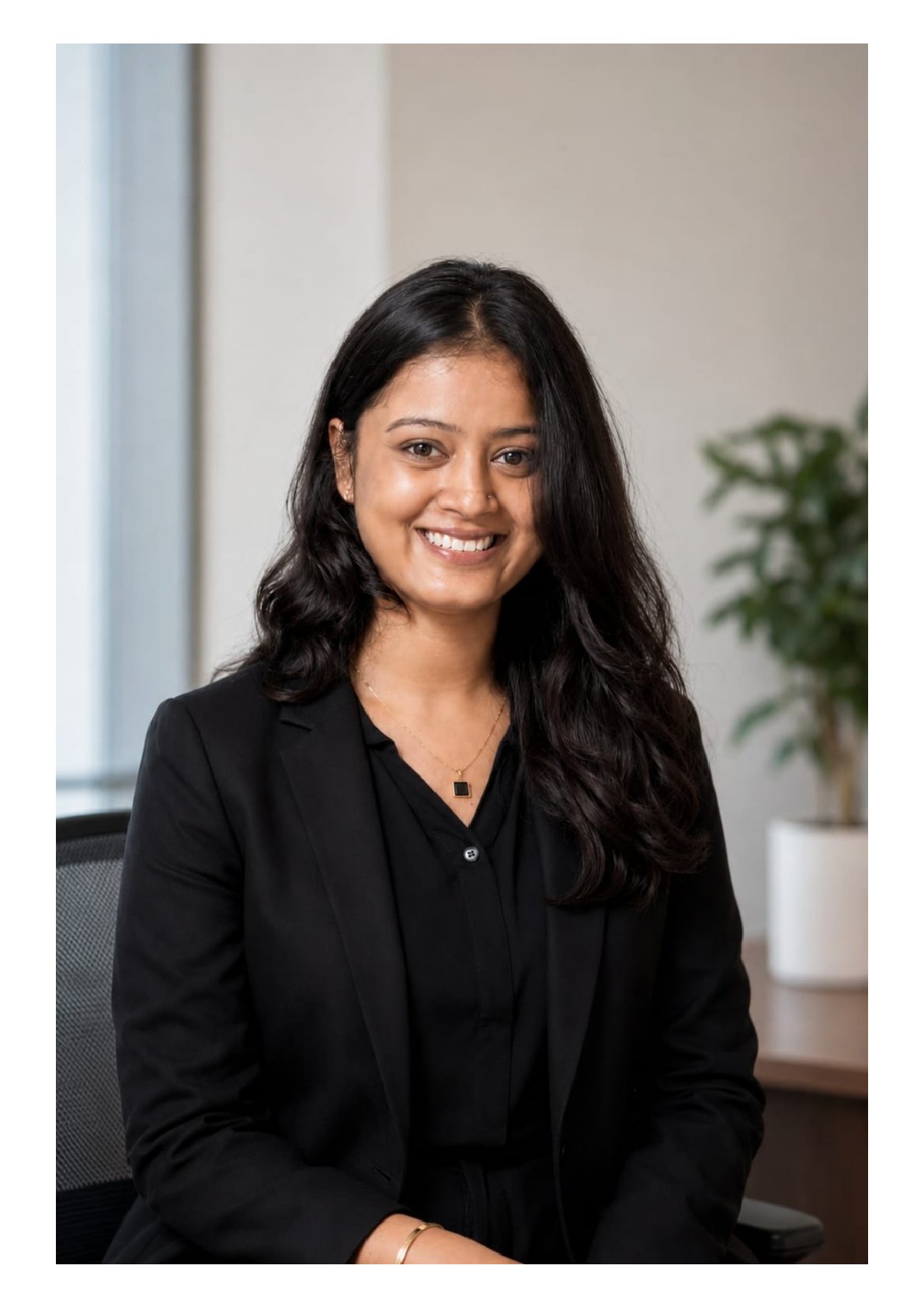
Anshika Verma is a B.Voc graduate in Agribusiness and Entrepreneurship from Banaras Hindu University. She currently works with the Bihar Rural Livelihoods Promotion Society, where she engages closely with rural communities and women-led community institutions. Her grassroots experience has shaped her interest in technology, digital inclusion, public policy, and rural development.
As a Youth IGF India Fellow 2026, she aims to deepen her understanding of Internet Governance, learn from diverse perspectives, and bring grassroots insights into discussions around technology and digital policy. Through the fellowship, she hopes to contribute towards creating a more inclusive, accessible, and people-centric digital future.
Ayndri
CyberPeace Foundation
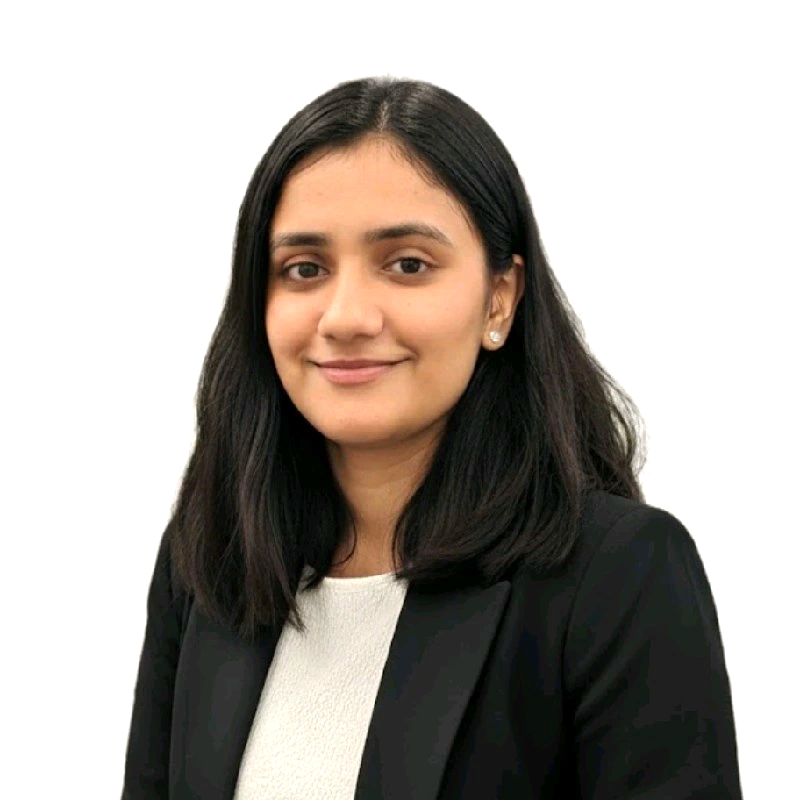
Ayndri is a public policy professional specializing in digital governance and technology policy across AI, cybersecurity, and platform trust and safety. She has supported national-level policy advisory across government, industry, and civil society, including a confidential policy research assignment with the National Security Council Secretariat (PMO) on infrastructure, and a governance internship at NITI Aayog. Most recently, as Analyst – Policy & Advocacy at the CyberPeace Foundation’s USI-Cyber Centre of Excellence, she led a national initiative on cybercrime targeting LGBTQ+ dating-app users and helped deliver policy advisory and capacity-building engagements for organisations such as Mastercard, UPSC, NCERT, and the Armed Forces. She holds an M.A. in Sociology from the Delhi School of Economics and has been Research Group Member at Centre for AI and Digital Policy. A previous Best Participant awardee at Youth IGF India, Ayndri is a Member of the Internet Society India Delhi Chapter and has published on India’s AI governance and data privacy frameworks.
Devyani
Federation of European Business in India (FEBI)
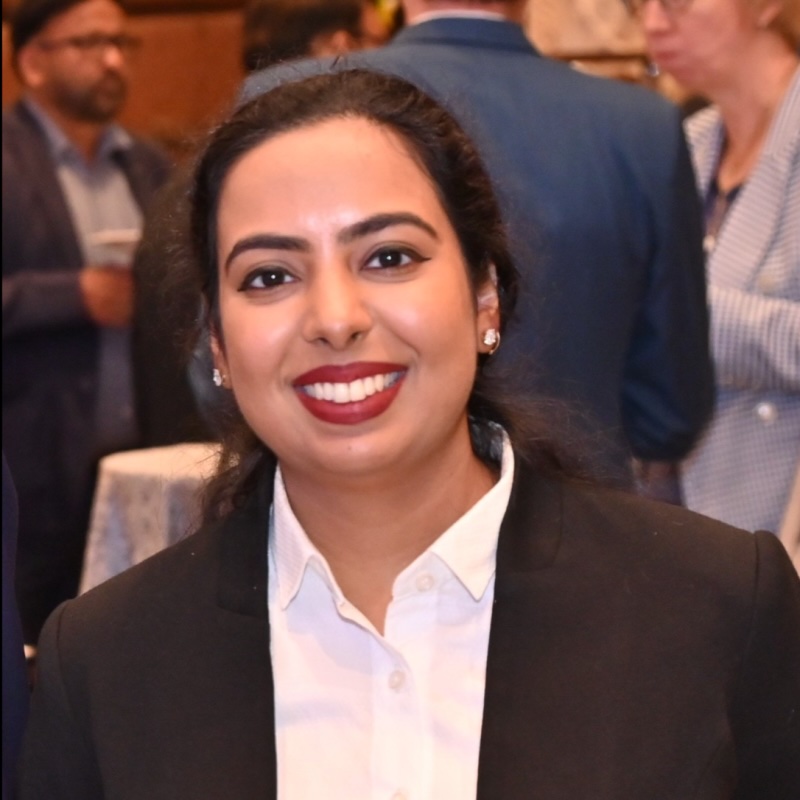
Devyani is a policy professional working in the EU-India space, currently serving as Manager, Policy Advocacy at the Federation of European Business in India (FEBI), where she works on economic, regulatory and sustainability-related issues affecting EU businesses in India. With a background in international relations and diplomacy, her work sits at the intersection of business, public policy and international cooperation, with a particular interest in how regulatory and technological developments shape sustainable economic engagement between India and the European Union. She was selected as an EU-India Young Leader for 2025-26 by the Delegation of the European Union to India.
Her interest in technology policy has grown from seeing how digital and emerging technologies are increasingly shaping the way businesses operate, innovate and pursue sustainability across borders. She is interested in AI governance and the intersection of technology with sustainable trade. Through the Youth IGF India Fellowship, she hopes to deepen her understanding of Internet Governance while bringing an industry perspective to discussions on building a more inclusive, responsible and sustainable digital ecosystem.

Hasham Khan
Centre for Culture, Media and Governance, Jamia Millia Islamia
Hasham Khan is a PhD scholar at the Centre for Culture, Media and Governance (CCMG), Jamia Millia Islamia, New Delhi. He holds an M.A. in Media Governance from Jamia Millia Islamia and a B.A. in Political Science. His research interests lie at the intersection of digital governance, platform regulation, AI governance, data protection, and technology policy.
His academic and policy research has focused on emerging digital regulatory frameworks in India, including platform governance, OTT regulation, SIM binding, and data protection. He has undertaken independent policy research examining the regulatory and governance challenges emerging from the intersection of technology, platforms, and public policy. His broader interests include the institutional dimensions of digital governance, platform accountability, and the implications of emerging technologies for media and society.
As a PhD scholar at CCMG, Hasham aims to contribute to research and policy discussions on digital governance while engaging with questions of regulation, technology, and public interest in India’s evolving digital ecosystem.

Julie Ann Thomas
Jawaharlal Nehru University (JNU)
Julie Ann Thomas is an IGF Fellow with an academic background in Political Science, having recently completed her Master’s degree from Centre for Political Studies, Jawaharlal Nehru University (JNU), New Delhi. She also holds a Bachelor’s degree in Political Science from Mahatma Gandhi University, Kerala. An aspiring PhD candidate, her research interests include digital governance, AI ethics and marginalised histories.
Julie has worked as a Research Intern on an ICSSR-funded project titled “Ethics of AI in E-Governance: Trust, Fairness and Accountability Over Time”, examining how citizen trust, algorithmic fairness and institutional accountability evolve as AI systems are integrated into public service delivery. She has also served as a Research Assistant on an international project in collaboration with Bielefeld University, Germany, exploring healthcare labour standards. She has published in peer-reviewed journals and presented several papers at national and international conferences on digital popular culture, political theory and Adivasi history. She also qualified UGC-NET in Political Science (2025).

Prabir Shah
Sarla Anil Modi School of Economics, NMIMS
Prabir is a third-year BSc Economics student at the Sarla Anil Modi School of Economics, NMIMS – Mumbai. His work lies at the intersection of economics, disability rights, and tech policy. During a research internship at the Centre for Policy Research and Governance (CPRG), he wrote a capstone paper applying critical discourse analysis to India’s exclusion of asthma from its list of benchmark disabilities. At the Youth IGF Fellowship, he will be working on disability inclusion with a focus on technology governance.
Prateek G
Government of Punjab
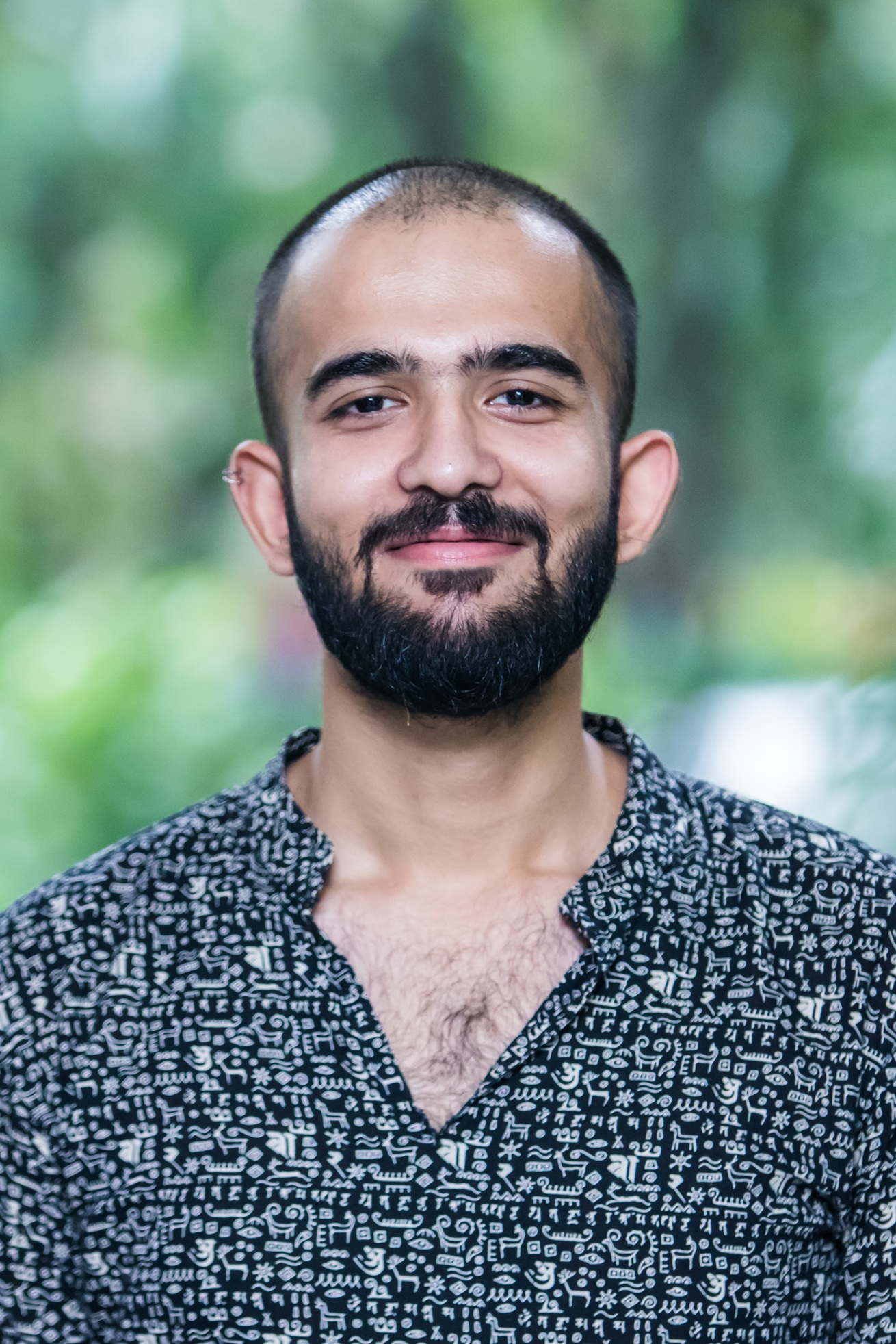
Prateek is an advocacy and policy professional with experience across think tanks, international NGOs, and government. They currently serve as a Senior Punjab Good Governance Fellow with the Government of Punjab, where they support the state’s flagship efforts to address substance use and promote mental wellbeing, with a focus on programme implementation, evidence-based governance, and multistakeholder problem-solving.
Previously, Prateek worked with Access Now, an international digital rights organisation, as Media Officer and APAC Advocacy Coordinator. They supported regional and global advocacy on internet shutdowns, surveillance, censorship, and digital exclusion, engaging with civil society, policymakers, and the media on emerging challenges to an open and inclusive internet.
Prateek’s earlier experience includes roles with the Centre for Policy Research, IT for Change, Godrej India Culture Lab, and Nazariya QFRG. Their work has spanned digital rights, public policy, culture, and humanities, bringing together research, advocacy, and communications to advance ideas and build more inclusive public conversations around technology and society.
Rushikesh Kokare
State Council of Educational Research and Training (SCERT), Maharashtra
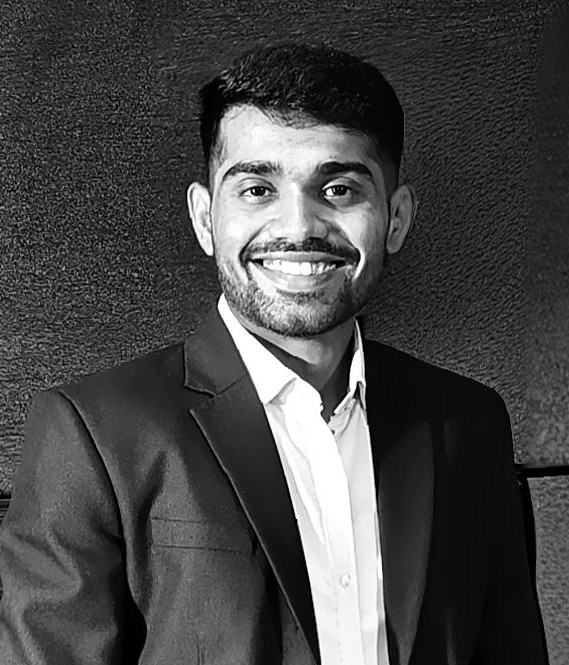
Rushikesh Kokare is a youth advocate and social impact professional working at the intersection of youth participation, education, technology, and inclusive development. A Young India Fellow at Ashoka University, he pursued a PG Diploma in Liberal Arts and Studies, an interdisciplinary programme exploring society, economics, technology, and public life. His experience spans government, education, and grassroots development, and he currently serves as a Consultant with the State Council of Educational Research and Training (SCERT), Maharashtra, supporting teacher professional development and education systems.
As a UNICEF YuWaah Youth Advocate, he has contributed to national youth consultations and initiatives focused on education, AI, and digital inclusion. His own experiences as a first-generation learner and educator have shaped his interest in creating more inclusive opportunities for young people. At the Better Future Forum 2026 in Singapore, he delivered a TED-style talk at the Better Future Showcase on belonging as a foundation for holistic student development, highlighting how language barriers can shape students’ confidence, participation, and sense of belonging.
As a Youth IGF India Fellow 2026, he brings this interdisciplinary and youth-centred perspective to conversations on internet governance, with a focus on contributing to a more inclusive, accessible, and youth-responsive digital future.
Sambhavi Vasudevan
Mumbai First
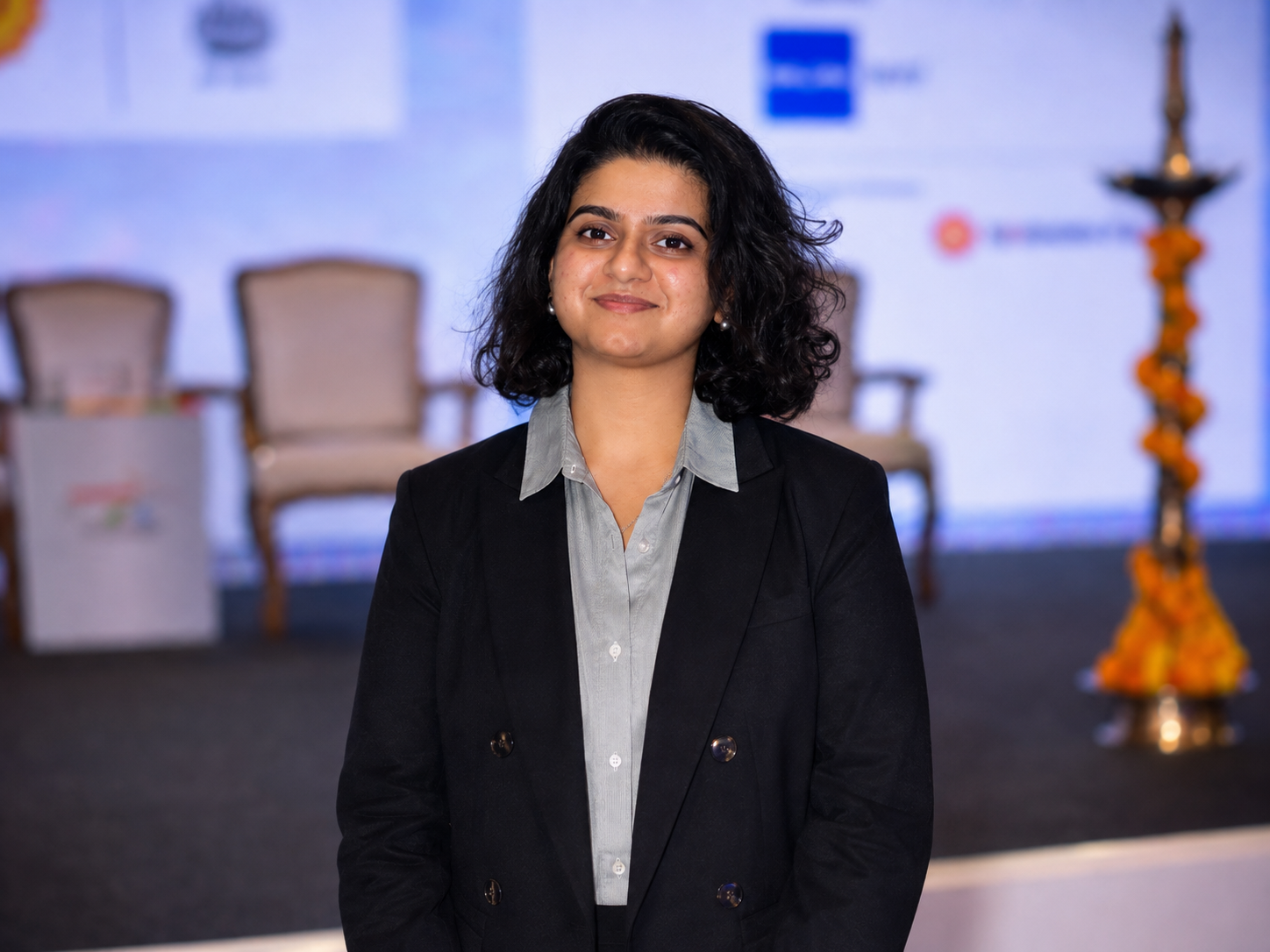
Sambhavi Vasudevan is a foreign policy researcher with a multidisciplinary background spanning biotechnology, governance, and international relations. At the Foreign Policy Research Centre, her work on India–EU cooperation identified digital governance as a critical, under-examined fault line in the relationship. She works on BRICS urban diplomacy at Mumbai First, where she was involved in organising the BRICS Friendship Cities Conclave 2026, and as Research Associate (Intern) for the NAS-LEP programme at Takshashila Institution. As an IESA Summer Fellow 2026, her working paper examines India’s digital governance framework and Indo-European cybersecurity cooperation, proposing interoperability mechanisms that bridge divergent constitutional approaches to data protection without requiring either side to abandon its legal framework. Her research interests centre on India’s digital sovereignty and its implications for multilateral digital cooperation.
At the Youth IGF India Fellowship, she intends to ground her foreign policy research in the technical and institutional architecture of internet governance, specifically to understand how IANA functions, multi stakeholder processes, and global internet standards shape the policy outcomes she currently analyses from the outside. She brings to the fellowship a practitioner’s question: what does internet governance need to look like for India’s digital sovereignty doctrine to be coherent rather than merely asserted?

Sanjana Gupta
Forbes Advisor
Sanjana is a Growth Strategist with a background in Economics and Marketing. She helps businesses grow at the intersection of customer needs and commercial ambition – with expertise spanning the full growth lifecycle, from go-to-market planning and user research to content strategy and experimentation. She’s worked at Forbes Advisor, where she helped launch multiple brands – including Forbes Vetted, Forbes Home Improvement, Forbes Health, and Forbes Wheels; and partnered with publications such as Rolling Stone, CNN, and USA Today.
As a Youth IGF Fellow, Sanjana is deeply engaged in questions of how technology shapes and sometimes exploits human behaviour. She explores the intersection of data privacy, business models, and design, examining how the decisions companies and policymakers make ripple out into people’s everyday digital lives. She’s particularly interested in the tension between growth-driven business models and ethical, user-first design, and how the two can be reconciled rather than traded off against each other.
Sanoop Sajan Koshy
Indian Institute of Technology Madras
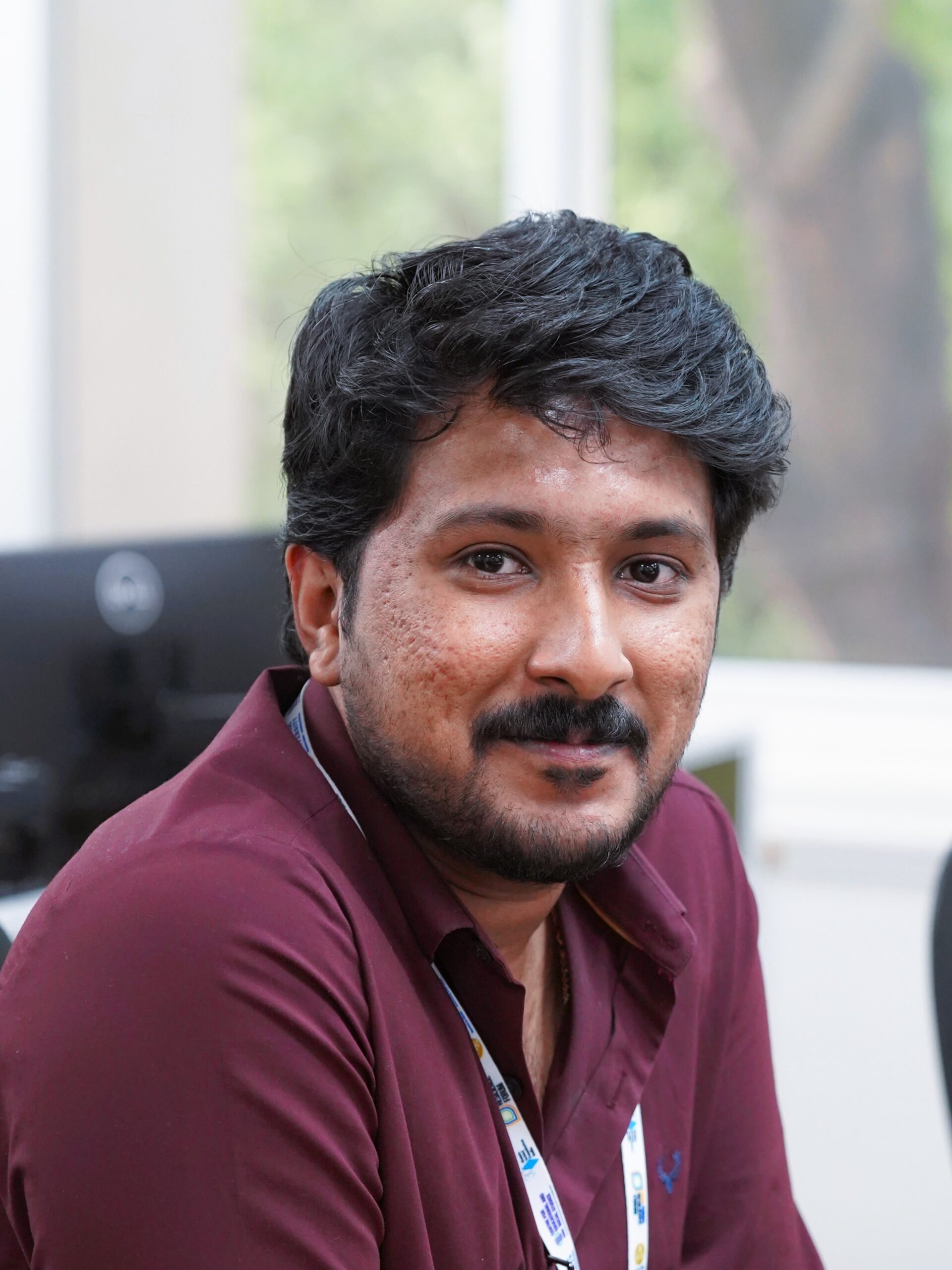
Sanoop Sajan Koshy is a Ph.D. research scholar in International Relations at the Indian Institute of Technology Madras. He holds master’s degrees in Political Science and Public Administration. He was a recipient of the Chinese Government Scholarship (2024-25) and was an exchange scholar at Beijing Normal University. His research examines China’s infrastructure diplomacy, development finance, digital connectivity, and network governance, with a focus on the Indo-Pacific region. He was a fellow at the Indo-European Summer Academy, themed Cybersecurity organised by Hanns Seidel Foundation India. He was also part of the delegation representing India at the World Youth Festival 2024, held at Sochi, Russia. He is also selected to participate in the Open Consultations and MAG Meeting of the UN Internet Governance Forum (IGF) 2026.

Shubhi Agrawal
SRM University School of Law
Shubhi Agrawal is an Assistant Professor at SRM University School of Law, Chennai. She holds an LL.M. in Intellectual Property and Technology Law from King’s College London and a B.A. LL.B. (Hons.) from Jindal Global Law School, India. She has worked as an AI Researcher with the Cambridge Centre for Alternative Finance (CCAF), University of Cambridge, contributing to research on artificial intelligence and emerging technologies. Her academic and research interests lie at the intersection of AI governance, cybersecurity, data governance, intellectual property, and digital regulation. She has authored research on AI, cloud jurisdiction, copyright law, and technology regulation, and is particularly interested in the role of young people in shaping inclusive, responsible, and future-oriented digital governance.

Tanmay Arora
KRESERA™
Tanmay Arora is a four-time CEO, international researcher, strategist, and entrepreneur with academic and professional anchors across India, Australia, Kazakhstan, Kyrgyzstan and Canada. A Vice-Chancellor’s Scholar (Australia) and Visiting Research Scholar (Canada), he holds an MBA, MSc (Gold Medallist), and BSc (Hons). His work spans AI, emerging technologies, and governance, with prior engagements at DRDO, IIT-Delhi, Simon Fraser University, University of Victoria, and Michigan State University. Recognised among INC Magazine’s Top 10 Most Admired CEOs, he is a Partner & VP at KRESERA™, Founder & CEO of Unwired India, and a Hanns-Seidel Indo-European Tech Policy Fellow and an AFC Climate Leadership Fellow.
As a Youth IGF Fellow, he brings a rare convergence of policy instinct and operational depth to questions of digital infrastructure and global strategic cooperation. Tanmay stands out for bringing sharp insight, global perspective, and exceptional leadership to digital governance. He is helping shape a safer, more inclusive, and future-ready internet. For those interested in engaging with Tanmay’s work, he welcomes thoughtful conversations with partners, collaborators, investors, and mission-aligned organizations at the intersection of policy, technology, and digital transformation.
Usama Ansari
Medical Engineering Design Innovation Centre (MEDIC), IIT Bombay
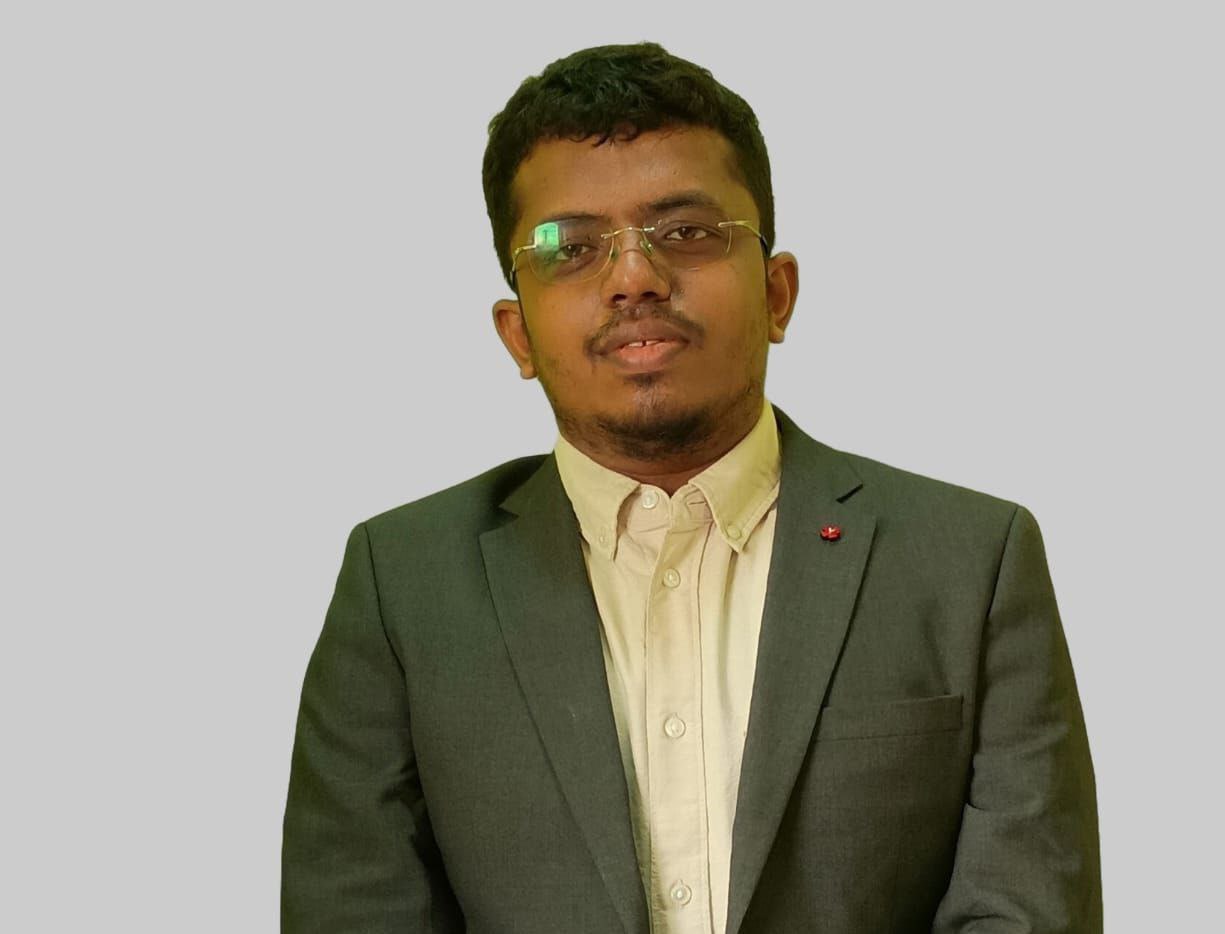
Usama Ansari recently completed his Biodesign Fellowship at the Medical Engineering Design Innovation Centre (MEDIC), IIT Bombay. He holds a Master of Science (Research) in Engineering Design from IIT Madras and a Bachelor’s in Mechanical Engineering. His work at the intersection of engineering, entrepreneurship and public policy. With a research in soft robotics and assistive technologies, he his actively exploring the data privacy and ethical implications of connecting medical hardware to the internet.
Beyond engineering, Usama has also built interdisciplinary record in policy and governance. During his time at IIT Madras, he served as an elected Research Legislator in the Student Legislative Council, contributing to institutional policy. He has further deepened his understanding of governance, diplomacy, and global security frameworks through fellowships with the IMPRI Impact and Policy Research Institute, Think India, and the Bose Fellowship. Driven by a commitment to digital democratization, he formerly co-founded CareerlyMate, a non-profit online platform that helps engineering student’s access higher education resources.
As a Youth IGF India Fellow 2026, Usama aims to bring a perspective to conversations on internet governance bridging the gap between how technologies are engineered and how they are regulated. He is particularly interested in data privacy frameworks for emerging technologies, AI regulation, and digital access. Through this fellowship, he aims to collaborate with diverse stakeholders, fellows to help shape a digital ecosystem in India that is inclusive, secure, and rights respecting.

Vrinda Pandey
National Forensic Sciences University (NFSU)
Vrinda Pandey is a B.Sc. (Data Science) LL.B. (Hons.) student at the National Forensic Sciences University (NFSU), Gandhinagar, now in her fourth year at the School of Law, Forensics, Justice & Policy Sciences. Her work sits at the intersection of internet governance, AI governance and safety, and digital law and regulation. She has built an applied policy record across government, civil society, and private practice. At IndiaAI (MeitY) she drafted an AI governance policy for the AIKosh platform and mapped its data practices to the Digital Personal Data Protection Act, 2023. She has since researched cross-border technology regulation at Bridge Counsels LLP, data-centre and AI-energy policy at Koan Advisory Group, and parliamentary AI questions at the Software Freedom Law Centre, alongside legislative work with the Delhi Legislative Assembly and litigation experience at the High Court of Allahabad.
Her work and writing have focused on understanding how emerging technologies reshape institutions, markets, and fundamental rights. She has also been recognised for her work in AI and youth policy, including winning the BRICS Youth & AI Policy Lab Case Study Challenge 2026 at the AI Impact Summit in New Delhi, and has contributed to publications on technology law and public policy. As a Youth IGF India Fellow 2026, Vrinda hopes to bring an interdisciplinary perspective grounded in law, data science, and technology policy to conversations on internet governance. She is particularly interested in contributing to a digital future that is ethical, inclusive, rights-respecting, and accessible to young people. She aims to help shape rights-respecting and technically grounded frameworks for AI and digital infrastructure in India and beyond.